Common Symptoms Associated With Anal Fistulas
3 min read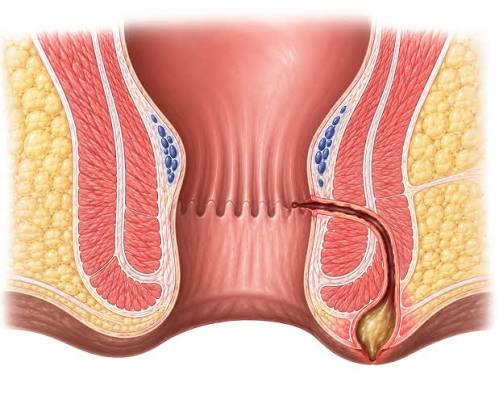
An anal fistula is a small tunnel that can develop between the inside of the anus or rectum and the skin around the anus. It can sometimes develop following an infection or an abscess in the area.
Symptoms can vary from person to person. Some people experience ongoing discomfort, while others may notice changes around the skin near the anus. Understanding the common symptoms can help you know when it may be appropriate to seek medical advice.
Persistent Pain or Discomfort
Pain around the anus is one of the symptoms that may occur with an anal fistula. The discomfort can sometimes become more noticeable when sitting, moving around or during bowel movements.
The level of pain can vary, and persistent or recurring discomfort should be discussed with a healthcare professional, particularly if it is affecting everyday activities.
Discharge Around the Anus
Some people with an anal fistula notice discharge from a small opening in the skin near the anus. This may include fluid, pus or occasionally blood.
The discharge may stop temporarily and then return. This can happen if the external opening closes while there is still an underlying tract. Any unexplained or persistent discharge should be assessed rather than assumed to be a minor skin problem.
Skin Irritation and Swelling
The skin around the anal opening can become irritated when there is ongoing discharge. Some people may notice redness, soreness or swelling in the surrounding area.
A small opening or mark on the skin may also be visible. However, not every fistula is easy to identify externally, which is why a clinical assessment may be needed.
Recurring Abscesses
An anal fistula can sometimes be associated with repeated abscesses. An abscess is a collection of pus that can cause swelling, tenderness and significant discomfort.
If an abscess repeatedly develops in the same area, further assessment may be recommended to determine whether an underlying fistula or another condition could be contributing to the problem.
Discomfort During Bowel Movements
Some people experience discomfort when passing stools. This may be related to irritation, inflammation or tenderness around the affected area.
It is worth mentioning changes in bowel movements, pain or bleeding during a consultation, as these details can help a clinician understand the symptoms more fully.
When Should You Seek Medical Advice?
Symptoms around the anus can have several possible causes, including haemorrhoids, anal fissures, skin conditions and infections. This means symptoms alone cannot confirm that someone has an anal fistula.
If you notice persistent pain, swelling, recurrent abscesses, discharge or an opening near the anus, it is sensible to seek medical advice. A clinician can examine the area and determine whether further investigation or referral is appropriate.
Assessment by an Anal Fistulas Surgeon
If an anal fistula is suspected, an Anal Fistulas surgeon can assess the symptoms and discuss the available treatment options. The assessment may involve a physical examination and, in some circumstances, further investigations to understand the location and extent of the fistula.
Treatment is not necessarily the same for every patient. The appropriate approach depends on factors such as the position of the fistula, its relationship with the surrounding muscles and the individual’s circumstances.
Understanding the symptoms is a useful first step, but a proper medical assessment is important before deciding on treatment. If you have persistent or recurring symptoms around the anus, speaking with a suitably qualified colorectal specialist can help clarify the cause and the next steps.


